PE-RT II Electrofusion Stub End
PE-RT II electrofusion stub end is designed to create a detachable flanged connection point in compatible PE-RT II piping systems. The listed range covers SDR11 / PN16 and SDR17 / PN10 configurations from 32 mm to 1000 mm.
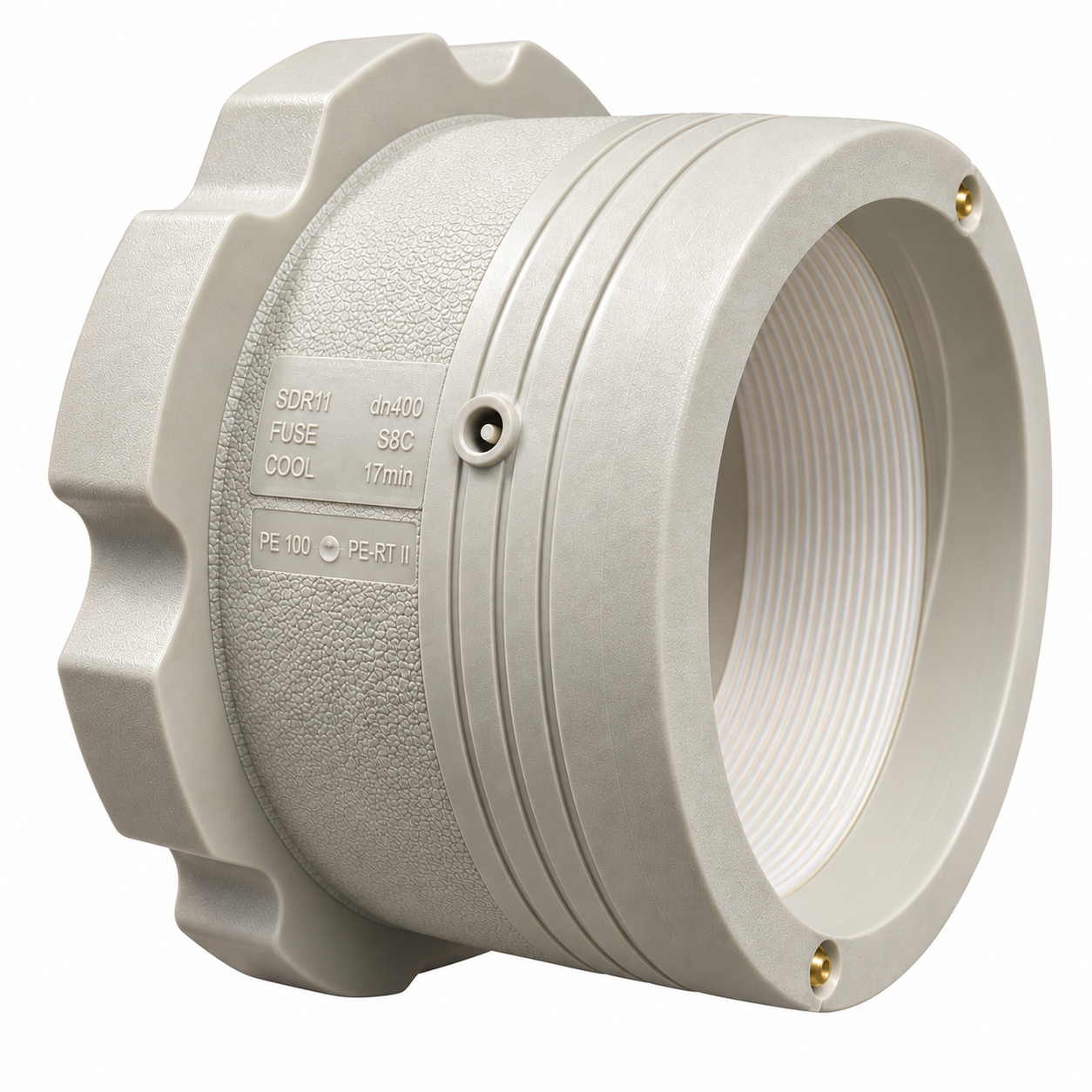
Material: PE-RT II
Jointing: Electrofusion welding
Type: Electrofusion Stub End
Function: Flanged connection transition
Size Range: 32–1000 mm
Pressure Classes: SDR11 / PN16, SDR17 / PN10
Available Configurations: 28
All Models & Specifications
Available PE-RT II electrofusion stub end models are grouped by SDR / PN for faster size selection.
SDR11 / PN16
| Size (mm) |
|---|
| 32 |
| 40 |
| 50 |
| 63 |
| 75 |
| 90 |
| 110 |
| 125 |
| 140 |
| 160 |
| 180 |
| 200 |
| 225 |
| 250 |
| 280 |
| 315 |
| 355 |
| 400 |
| 450 |
SDR17 / PN10
| Size (mm) |
|---|
| 355 |
| 400 |
| 450 |
| 500 |
| 560 |
| 630 |
| 710 |
| 800 |
| 1000 |
About PE-RT II Electrofusion Stub End
PE-RT II electrofusion stub end is used to convert a welded PE-RT II pipeline into a detachable flanged connection. The electrofusion side is joined to the PE-RT II pipe, while the flange face works together with a compatible backing ring and mating flange.
This fitting is commonly selected where PE-RT II piping must connect to valves, pumps, meters, heat exchangers or other flanged equipment, especially where future disassembly or maintenance may be required. The stub end should match the pipe outside diameter and the required SDR / PN configuration.
About PE-RT II Material
PE-RT II (Polyethylene of Raised Temperature Resistance Type II) is a thermoplastic polyethylene material developed for piping systems that must maintain mechanical strength at elevated temperatures. Compared with conventional polyethylene, PE-RT II offers improved long-term temperature resistance while retaining the benefits of a weldable plastic piping system.
Because PE-RT II remains thermoplastic, compatible pipes and fittings can be joined by butt fusion or electrofusion to create a continuous all-plastic welded pipeline system. The material is also valued for corrosion resistance, resistance to internal scaling, relatively low weight, smooth internal surfaces and installation flexibility.
Operating Temperature
PE-RT II is used in hot- and cold-water and heating applications where elevated-temperature performance is required. The exact allowable temperature depends on pipe and fitting design, SDR or wall thickness, operating pressure and application class. Many PE-RT II piping systems are designed for long-term service in approximately the 70–80°C range, while short-term or maximum design conditions can reach about 95°C. Final temperature and pressure limits should always be confirmed against the actual pipe specification and project design conditions.
Typical Applications
- Secondary district-heating and heat-distribution networks
- Building heating and hot-water circulation systems
- Radiant heating and underfloor heating systems
- HVAC hydronic heating and cooling circuits
- Heat-pump and geothermal circulation systems
- Compatible industrial hot-water and thermal-fluid pipelines
Selection Considerations
For project selection, confirm pipe outside diameter, SDR or wall thickness, design pressure, normal operating temperature, maximum temperature, fluid medium, backing ring and mating flange requirements together.
Product Details
Overview
The PE-RT II electrofusion stub end provides a welded-to-flanged transition for compatible PE-RT II pipelines. It allows the plastic pipeline to connect to detachable bolted flange systems without changing the pipe material along the welded section.
Product Features
- PE-RT II construction
- Electrofusion jointing
- Flanged connection transition
- Used with compatible backing ring and mating flange
- Suitable for connection to valves, pumps and other flanged equipment
- SDR11 / PN16 and SDR17 / PN10 options as listed
Applications & Installation
Typical Applications
Used where compatible PE-RT II heating distribution, hot-water circulation, HVAC hydronic, heat-pump, geothermal or other thermal-fluid pipelines need a detachable flanged connection to equipment or another piping system.
Electrofusion Jointing
Prepare and clean the pipe end, scrape the fusion area as required, align and clamp the fitting, then carry out electrofusion using compatible welding equipment and the applicable project installation procedure. After the joint has cooled, assemble the compatible backing ring and mating flange according to the project requirements.
Ordering Information
- Required size
- Required SDR / PN
- Quantity for each configuration
- Backing ring / mating flange requirements if applicable
- Delivery destination
Frequently Asked Questions
What is an electrofusion stub end used for?
It is used to create a detachable flanged connection point on a compatible PE-RT II pipeline.
Does the stub end require other flange components?
It is typically used with a compatible backing ring and mating flange. The required flange arrangement should be confirmed for the project.
Which pressure classes are listed?
The supplied model list includes SDR11 / PN16 and SDR17 / PN10 configurations. Availability varies by size.
International Buyer & Sourcing Information
PE-RT II electrofusion stub ends are sourcing components for compatible PE-RT II piping systems where a stub-end connection is required. They are relevant to heating-pipe distributors, plumbing wholesalers and project buyers. Specify size, quantity and connection requirements for quotation.
Need PE-RT II electrofusion stub ends?
Send us your required sizes, SDR / PN class and quantities for quotation and lead-time confirmation.
Related Products
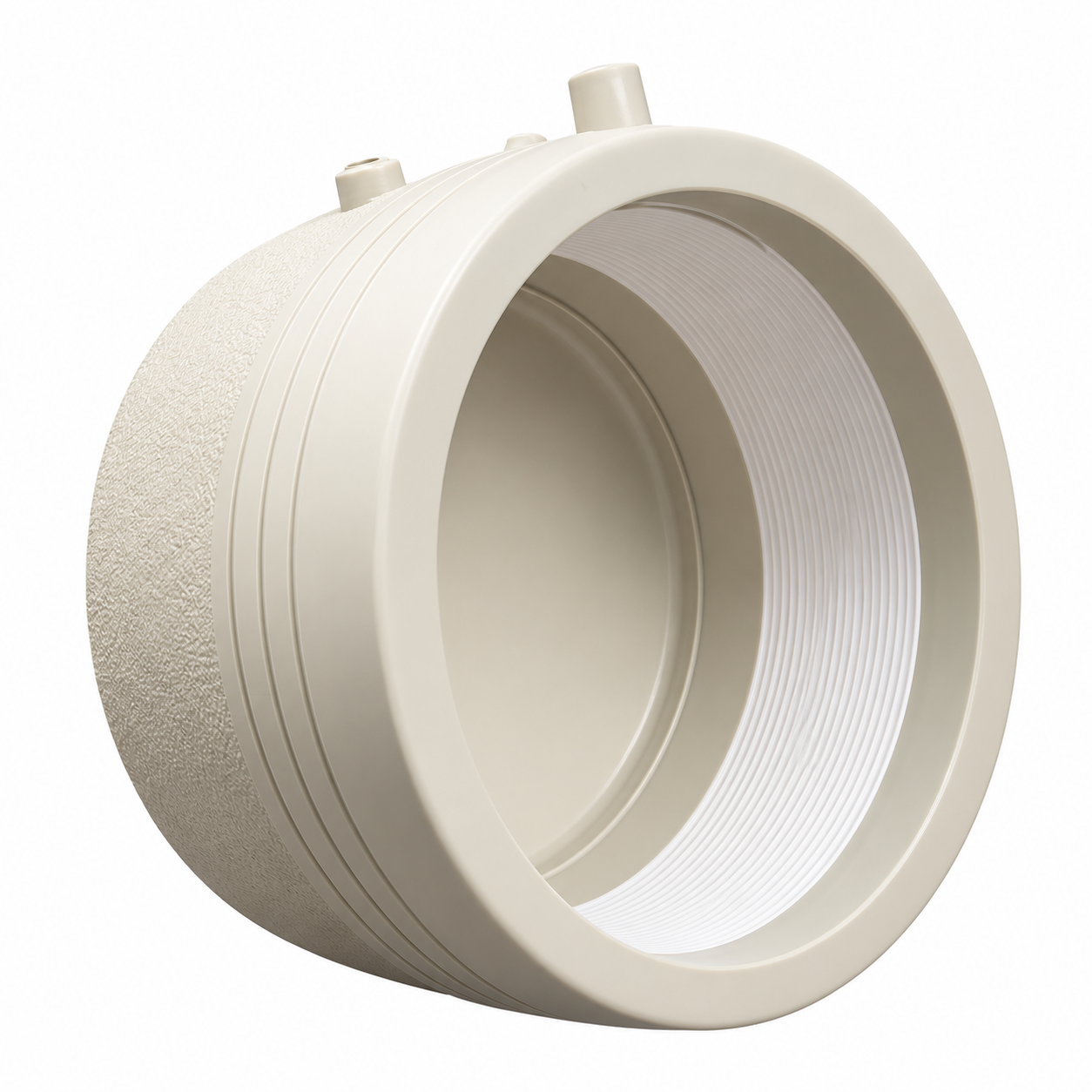
PE-RT II Electrofusion End Cap
Electrofusion end cap for permanent PE-RT II pipeline termination.
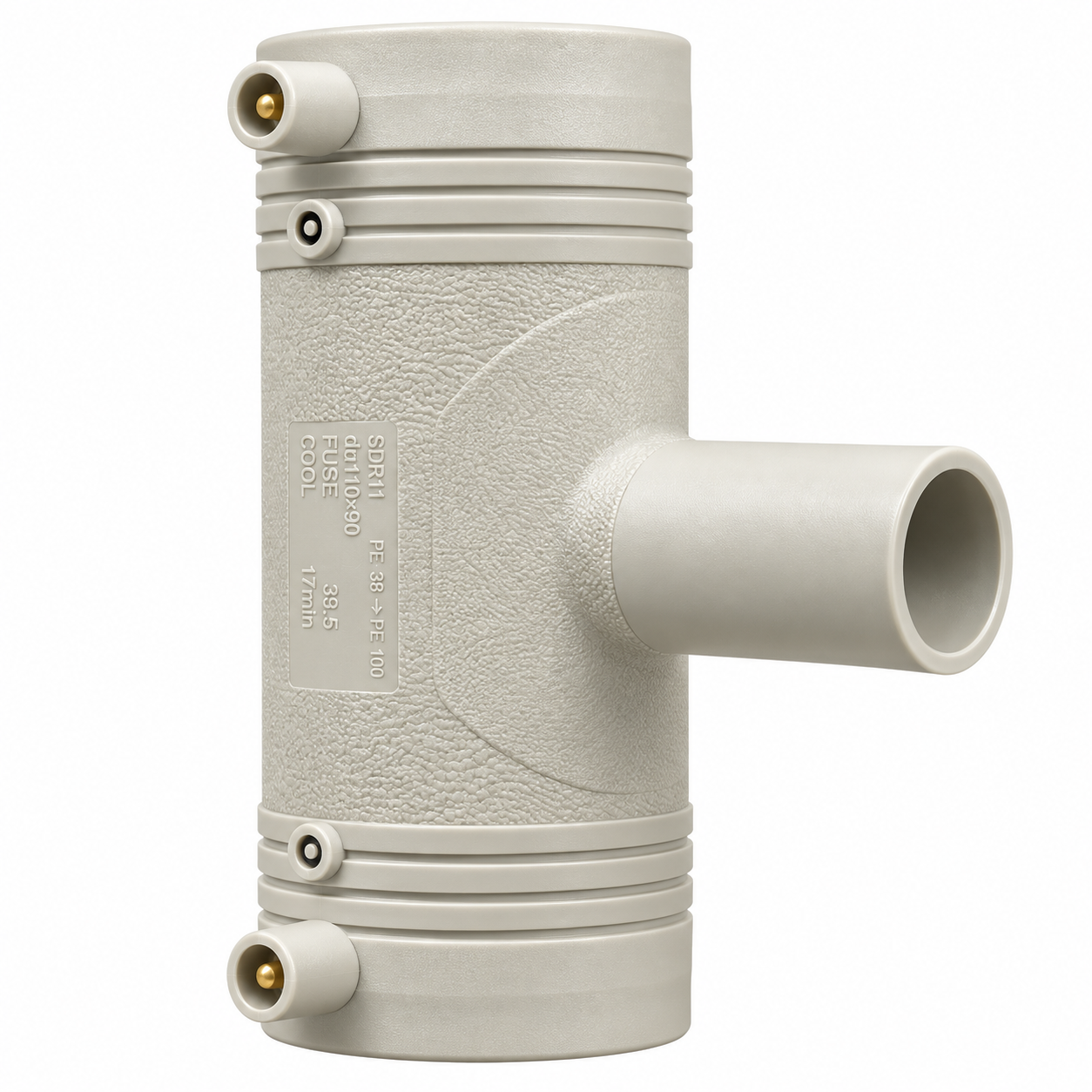
PE-RT II Electrofusion Reducing Tee
Reducing electrofusion tee for smaller branch lines from PE-RT II mains.
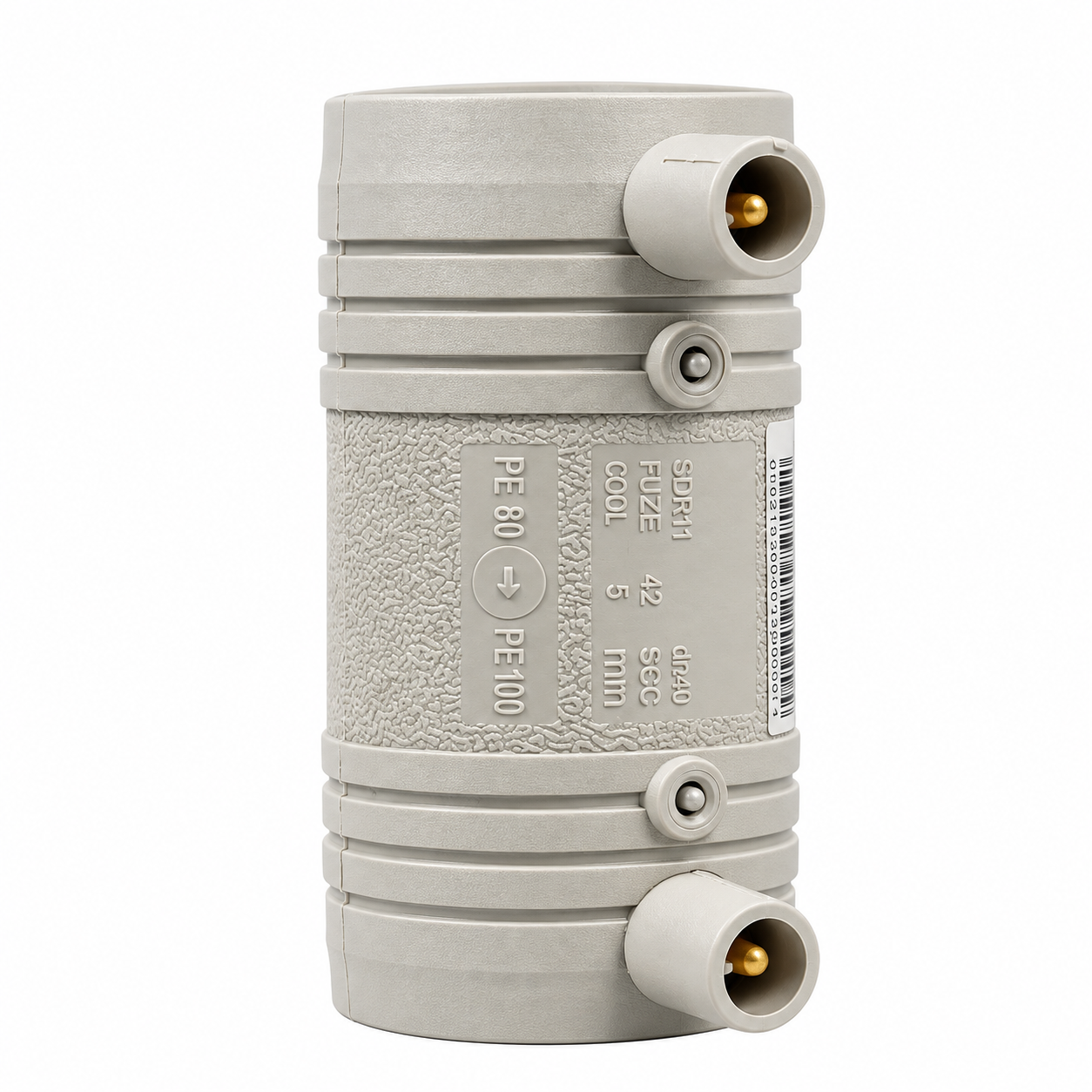
PE-RT II Electrofusion Coupler
Electrofusion coupler for straight PE-RT II pipe-to-pipe welded connections.